MartinRL.github.io
Servant Leader, Senior (Director/VP/Head of) Engineering Manager, Software Architect (who can code), Father, Husband, Friend, Ultracyclist.
Speed and Modularity Make Building Something Great Possible
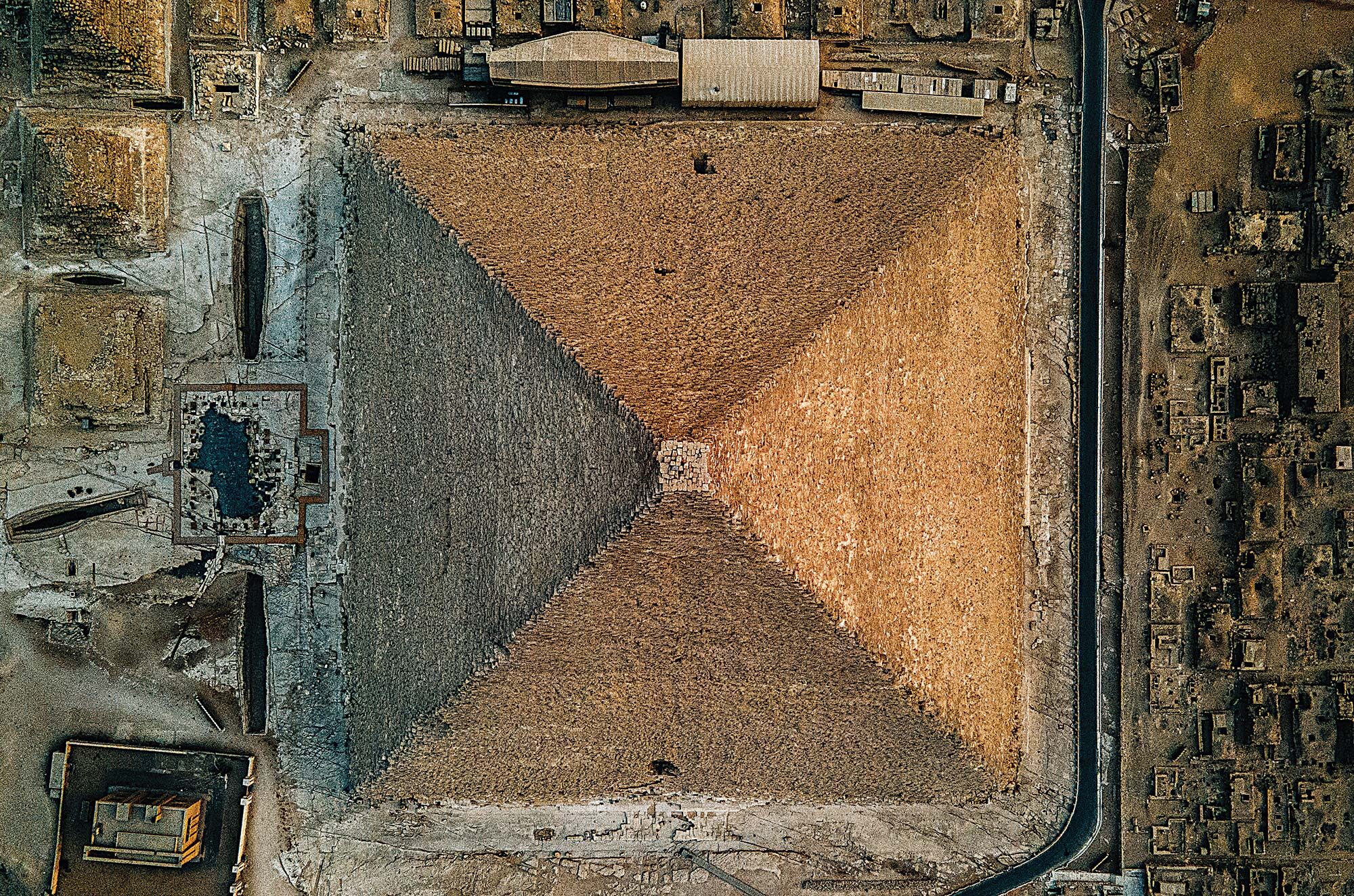 Tesla Gigafactory in the Making 📸 Alexander Ladanivskyy
I read a very interesting article in HBR the other day, Make Megaprojects More Modular, and I was confirmed on all accounts that my efforts to make software architectures (and organizations) modular, with fast feedback loops, is the only way to tackle building something great (the homonymic aspect of the word used deliberately). From the article:
”I’ve researched and consulted on megaprojects for more than 30 years, and I’ve found that two factors play a critical role in determining whether an organization will meet with success or failure: replicable modularity in design and speed in iteration. If a project can be delivered fast and in a modular manner, enabling experimentation and learning along the way, it is likely to succeed. If it is undertaken on a massive scale with one-off, highly integrated components, it is likely to be troubled or fail.
[…]
To entrepreneurs in the tech industry, much of this will sound familiar and logical. But large corporations and governments have yet to internalize these lessons for big-ticket projects.
[…]
“Create a product, ship it, see how it does, design and implement improvements, and push it back out,” they advise. “The companies that are the fastest at this process will win.”
[…]
Humans are inherently good at experimenting and learning, which is why a venture based on modular replicability is more likely to succeed than one that depends on long-range planning and forecasting—something humans are inherently bad at.“
This is exactly what I aim to accomplish together with other roles in my role as a software architect. Having worked a lot with lean and kanban and organizational design according to team topologies as manager in the past helps tremendously. And so does understanding human psychology and the crucial role of “the system of theft” with pioneers, settlers and town planners (PST). It’s a sociotechnical architectural endeavour after all.